Drain Field Repair Casper WY
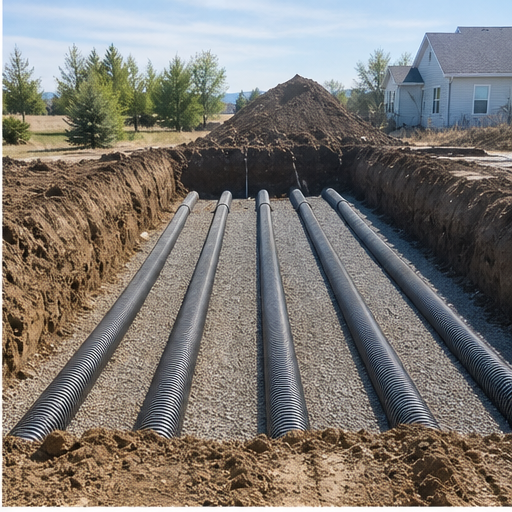
Casper Septic Pros helps property owners request drain field repair guidance when the yard, tank, or plumbing symptoms suggest more than routine pumping.
The drain field is where treated wastewater disperses into the soil. When it struggles, the symptoms may show up as slow drains, recurring backups, sewage odor outside, spongy ground, unusually green strips of grass, or wastewater surfacing near the leach area. These symptoms should be described carefully because the fix can range from diagnosis and maintenance to line repair, soil evaluation, or replacement planning.
Signs The Drain Field May Need Attention
- Wet or soft areas above the leach field during normal water use.
- Strong odor outside, especially near the field or tank.
- Backups that return soon after pumping.
- Inspection notes showing high tank levels or outlet problems.
- Vehicle traffic, construction, or soil compaction over the field.
- Roof runoff, irrigation, or drainage sending extra water toward the system.
Why Casper-Area Site Conditions Matter
Rural lots, wind exposure, snow, long driveways, livestock, and uneven terrain can affect access and diagnosis. Mention whether the field location is known, whether the area has been driven over, whether there are sprinkler or drainage issues, and whether the problem is seasonal. If you have not had the tank pumped recently, a provider may recommend pumping or inspection before quoting repair.
Drain Field Repair Versus Septic Pumping
Septic pumping can be useful when the tank is full of solids or the service history is unknown, but pumping alone does not repair a drain field that is overloaded, compacted, saturated, crushed, rooted, or poorly draining. If a backup comes back soon after pumping, if the tank stays high, or if wet areas remain above the leach field, describe the request as drain field repair or septic repair rather than routine pumping.
For Casper and Natrona County properties, the timing of the symptom matters. A field that only shows problems after heavy laundry, house guests, snowmelt, irrigation, or storm runoff may need a different diagnosis than a field that stays wet every day. Include the timing in the quote request so the provider knows whether to look for hydraulic overload, line problems, drainage issues, or signs of a failing field.
What To Document Before Asking For A Quote
- Whether the tank was pumped recently and whether the problem returned afterward.
- Where wet soil, odor, sunken ground, unusually green grass, or surfacing wastewater appears.
- Whether vehicles, livestock, sheds, trees, irrigation, or roof runoff are near the drain field.
- Whether the home has added bedrooms, finished space, rental use, or heavier water demand.
- Any inspection notes about high tank levels, baffles, distribution, or outlet problems.
Questions To Ask Before Approving Drain Field Work
Drain field work can range from diagnosis and line repair to major replacement planning. Before approving excavation or replacement, ask what evidence points to the field itself, whether the tank should be opened first, whether a distribution box or line problem is possible, and whether a public health or permit step may be needed for replacement work.
If the request is tied to a real estate transaction, failed inspection, remodel, or change in property use, include the deadline and ask whether the provider can document findings clearly enough for the next decision. Related planning pages include septic system cost, septic repair, and drain field protection.
Connect Drain Field Symptoms To Maintenance Records
Drain field decisions are easier when the pumping and inspection history is organized. Before asking for repair pricing, collect the last pump date, inspection notes, tank water-level comments, distribution or outlet concerns, and photos of the wet or unusually green area. The Casper septic maintenance guide helps organize that record, and septic permit planning is worth reviewing if the next step could involve field replacement, expansion, or major excavation.
Drain Field Repair FAQs
Does a wet yard always mean the drain field has failed?
A wet yard can point to a drain field problem, but it can also involve runoff, irrigation, a broken line, high tank levels, or seasonal saturation. Describe the exact location, timing, odor, and recent water use so the provider can decide what to inspect first.
Can septic pumping fix a drain field problem?
Pumping may help diagnose the system and relieve an overloaded tank, but it does not repair compacted soil, damaged lines, root intrusion, or a failing leach area. If symptoms return soon after pumping, the request should mention drain field repair or septic repair.
What should I avoid while waiting for drain field repair help?
Avoid driving over the field, adding unnecessary water, routing roof runoff or irrigation toward the area, and digging without guidance. Mark the problem area and gather records, photos, and last pumping details before the visit.
High-Intent Septic Help In Casper
Drain field repair is the better phrase when the leach area or yard symptoms are involved, but the first visit may still involve pumping, inspection, or general septic repair. These related pages keep the request aligned with the exact issue.