Septic Inspection Casper WY
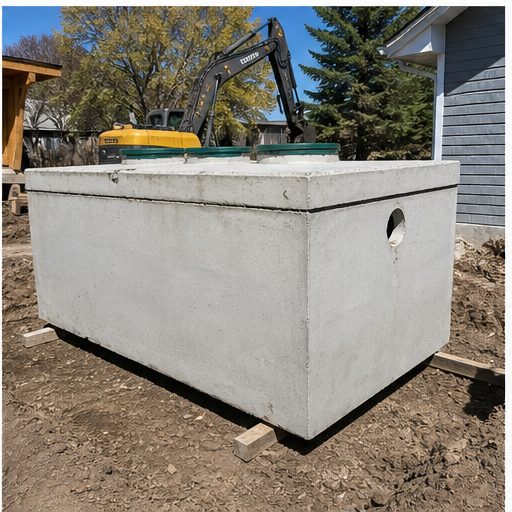
Casper Septic Pros helps homeowners, buyers, sellers, and rural property owners request septic inspection help around Casper and Natrona County.
A septic inspection can be part of a real estate transaction, a problem diagnosis, a pre-purchase rural property review, or a maintenance check when service history is unknown. The goal is to understand the tank, access, visible condition, service history, and warning signs before a small issue becomes expensive. If the inspection is tied to a closing date, appraisal, lender requirement, or buyer objection, include the deadline in the first message.
When An Inspection Request Is Strongest
- Buying or selling a home with a private septic system.
- Unknown tank size, tank location, or service history.
- Older rural property with additions or changing occupancy.
- Slow drains, odors, wet yard areas, or recurring backups.
- Planning repairs, replacement, or drain field protection work.
Inspection Details To Gather
Useful information includes the property address or nearest area, number of bedrooms, approximate age of the home, last pump date, known tank location, whether lids are exposed, and any existing inspection report. Photos of risers, cleanouts, lids, wet spots, or previous paperwork can reduce back-and-forth. If the tank needs to be pumped for inspection access, ask whether the provider can coordinate septic pumping as part of the visit.
Home Sale And Buyer Inspection Planning
Septic inspection requests connected to a sale should be specific about timing and documentation. A buyer may need enough information to decide whether the system looks serviceable, whether maintenance is overdue, whether an additional repair quote is needed, or whether the issue should be negotiated before closing. A seller may need to answer questions about the last pump date, tank location, permit history, and whether the system has shown backups, odors, wet areas, or other warning signs.
If the inspection is for a pre-purchase review, include the closing date, inspection objection deadline, lender or insurance requirement if known, and whether the buyer has permission for the tank to be opened or pumped. For rural Casper-area homes, it also helps to note whether the property is occupied, vacant, winterized, gated, on a long driveway, or hard to access after snow or rain.
What A Septic Inspection May Check
The exact scope depends on the provider and property, but a useful inspection usually starts with records, access, visible condition, system age, service history, tank level, and signs that wastewater is not moving properly. Providers may ask where the tank and drain field are located, whether the system has risers, whether lids are buried, whether the home has a basement or low drains, and whether there has been recent heavy water use.
Inspection notes can point toward routine maintenance, a tank part issue, a line problem, drain field stress, or a larger replacement conversation. That is why the request should not simply say "need inspection" if there are symptoms. Mention slow drains, gurgling, sewage smell, wet soil, unusually green strips of grass, recent backups, or a problem that returned after pumping. Those details help separate a general inspection from a more urgent septic repair or drain field repair request.
Casper-Area Property Details That Matter
- Whether the system serves a primary home, rental unit, shop bathroom, guest space, or acreage property.
- Whether bedrooms, finished basement space, or daily occupancy have changed since the system was installed.
- Whether the tank lid is exposed, buried, under landscaping, under snow, or in an uncertain location.
- Whether vehicles, trailers, livestock, trees, irrigation, or roof runoff may affect the drain field area.
- Whether previous paperwork mentions high liquid level, baffle issues, root intrusion, cracked lids, or field concerns.
Before The Inspector Arrives
Before the appointment, gather pumping receipts, seller disclosures, permit records, older inspection reports, and any notes from plumbers or septic providers. Clear access to lids or risers if safe, keep pets and livestock away from the work area, and mark suspected tank or field locations if you know them. If the home is occupied, avoid unusual water use right before the visit unless the provider gives different instructions.
If the tank has not been pumped in years, ask whether pumping should happen before, during, or after the inspection. If the system is already backing up into the home, say that clearly because an urgent service request may be more appropriate than a routine inspection. If the inspection is meant to support a repair or replacement decision, review the septic system cost page so the quote request includes the cost drivers that matter.
What Inspection Findings Can Lead To
An inspection may lead to a simple maintenance recommendation, a repair quote, a drain field concern, or a larger replacement conversation. For planning, keep related pages handy: septic repair, drain field repair, and septic system cost.
Turn Inspection Notes Into A Maintenance Plan
After an inspection, keep the pump date, tank location, lid or riser notes, visible defects, water-level comments, and any drain field concerns in one place. Those details make the next maintenance request clearer and help buyers, sellers, or rural property owners compare routine upkeep against repair risk. Use the Casper septic maintenance guide to organize follow-up intervals, and review septic permit planning if the inspection points toward replacement, expansion, or major drain field work.